
digitalmarketingagency.website


In today’s fast-paced digital landscape, driving organic traffic is crucial for businesses aiming to increase visibility and grow their online presence. As we move into 2026, it’s important to understand that SEO (Search Engine Optimization) and content marketing are evolving rapidly. The strategies that worked a few years ago may no longer deliver the same results.
This blog explores proven strategies for driving organic traffic in 2026, from optimizing for user intent to leveraging advanced technologies like AI and voice search.
Why Organic Traffic Matters in 2026
Organic traffic refers to visitors who land on your website through unpaid search engine results rather than paid advertisements. It remains one of the most reliable and cost-effective ways to attract high-quality users.
With search engines becoming increasingly sophisticated, organic traffic continues to be the backbone of online visibility. In 2026, it plays a critical role in measuring digital success due to the growing emphasis on user experience, relevance, and AI-powered search algorithms.
Key Benefits of Organic Traffic
Long-term ROI
Organic traffic is sustainable. Once your content ranks well, it can generate consistent traffic over time without ongoing advertising costs.
Higher Quality Leads
Users who find your website organically are usually actively searching for information or solutions, making them more likely to convert.
Improved Credibility and Trust
Ranking organically in search results builds authority and trust with both users and search engines.
Proven Strategies to Drive Organic Traffic in 2026
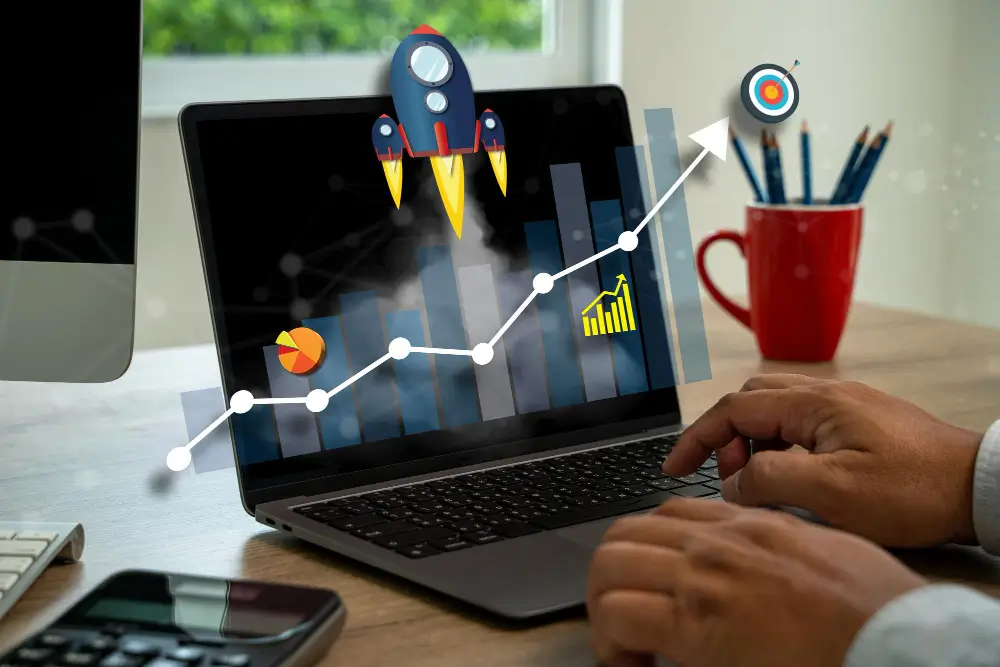
While SEO best practices continue to evolve, certain strategies remain highly effective when adapted to modern search behavior.
1. Focus on User Intent
Understanding user intent is more important than ever. User intent refers to the reason behind a search query and what the user expects to find.
Types of User Intent
Informational Intent: Users looking for answers or knowledge
Navigational Intent: Users searching for a specific website or page
Transactional Intent: Users ready to make a purchase or take action
How to Optimize for User Intent
Create content that directly answers user questions
Structure content clearly for better understanding by search engines
Use long-tail and conversational keywords aligned with real search behavior
2. Prioritize Mobile Optimization
With mobile usage continuing to dominate, mobile optimization is no longer optional. Google’s mobile-first indexing means your mobile site is the primary version used for ranking.
Best Practices for Mobile SEO
Use responsive design that adapts to all screen sizes
Improve page load speed on mobile devices
Ensure easy navigation, readable text, and clickable elements
3. Invest in High-Quality Content Marketing
Content remains the foundation of organic traffic growth. Search engines reward content that is valuable, relevant, and helpful to users.
Content Marketing Strategies for 2026
Focus on evergreen content that stays relevant over time
Publish in-depth, long-form content (1500+ words)
Use structured formatting with headings, lists, and clear sections
Create content that solves real user problems
4. Harness the Power of AI for SEO
AI and machine learning are reshaping how SEO is performed. In 2026, AI-powered tools play a vital role in research, optimization, and performance analysis.
How AI Supports SEO
Identifies high-potential keywords and content gaps
Helps optimize content for readability and relevance
Analyzes trends and predicts user behavior
Improves efficiency in large-scale SEO operations
5. Leverage Video SEO

Video continues to dominate online consumption and is expected to account for the majority of internet traffic. Search engines increasingly prioritize video-rich content due to its high engagement levels.
Video SEO Best Practices
Optimize video titles, descriptions, and metadata with relevant keywords
Use clear visuals and engaging storytelling
Add captions and subtitles for accessibility
Encourage user interaction to boost engagement signals
6. Build High-Quality Backlinks
Backlinks remain one of the strongest ranking factors. However, quality matters far more than quantity in 2026.
Effective Link-Building Techniques
Publish authoritative, share-worthy content
Earn links through guest posting on trusted industry websites
Build relationships with thought leaders and influencers
Focus on relevance and credibility rather than volume