digitalmarketingagency.website

Recent Posts

Transform Your Business with Digital Marketing Agency

How a Digital Marketing Agency in Dubai Fixes This Differently

A strategic digital marketing agency Dubai doesn’t ask:
“What keyword do you want to rank for?”

It asks:

  • What authority should your brand own?

  • What problems does your audience search for?

  • How does Google want this topic presented?

SEO done properly involves:

  • Content architecture

  • Intent mapping

  • Internal linking systems

  • Technical optimisation

  • Long-term authority building

Not hacks. Not tricks. Systems.

AI-Powered Digital Marketing in 2026: The Complete Guide for Businesses

The digital marketing world has evolved faster in the last five years than in the previous two decades combined. As we step into 2026, artificial intelligence (AI) is no longer optional—it’s a competitive necessity. From predictive analytics and automated campaigns to hyper-personalized customer experiences, AI-powered digital marketing is reshaping how brands attract, engage, and convert audiences.

For businesses working with a digital marketing agency, understanding AI-driven strategies can be the difference between leading the market or falling behind competitors. This comprehensive guide explains what AI-powered digital marketing is, how it works, why it matters in 2026, and how businesses can use it effectively to scale growth.


What Is AI-Powered Digital Marketing?

AI-powered digital marketing uses machine learning, natural language processing (NLP), predictive analytics, and automation to improve marketing performance. Instead of relying only on manual decisions and static strategies, AI analyzes vast amounts of data to make intelligent, real-time marketing decisions.

Key Capabilities of AI in Digital Marketing

  • Automated data analysis at scale

  • Predictive customer behavior insights

  • Personalized content delivery

  • Smart ad targeting and bidding

  • Conversational marketing via chatbots

AI allows marketers to move from reactive marketing to predictive and proactive marketing, ensuring campaigns are smarter, faster, and more cost-effective.


Why AI Matters More Than Ever in 2026
 
https://mikekhorev.com/wp-content/uploads/2025/03/workflow_example.png


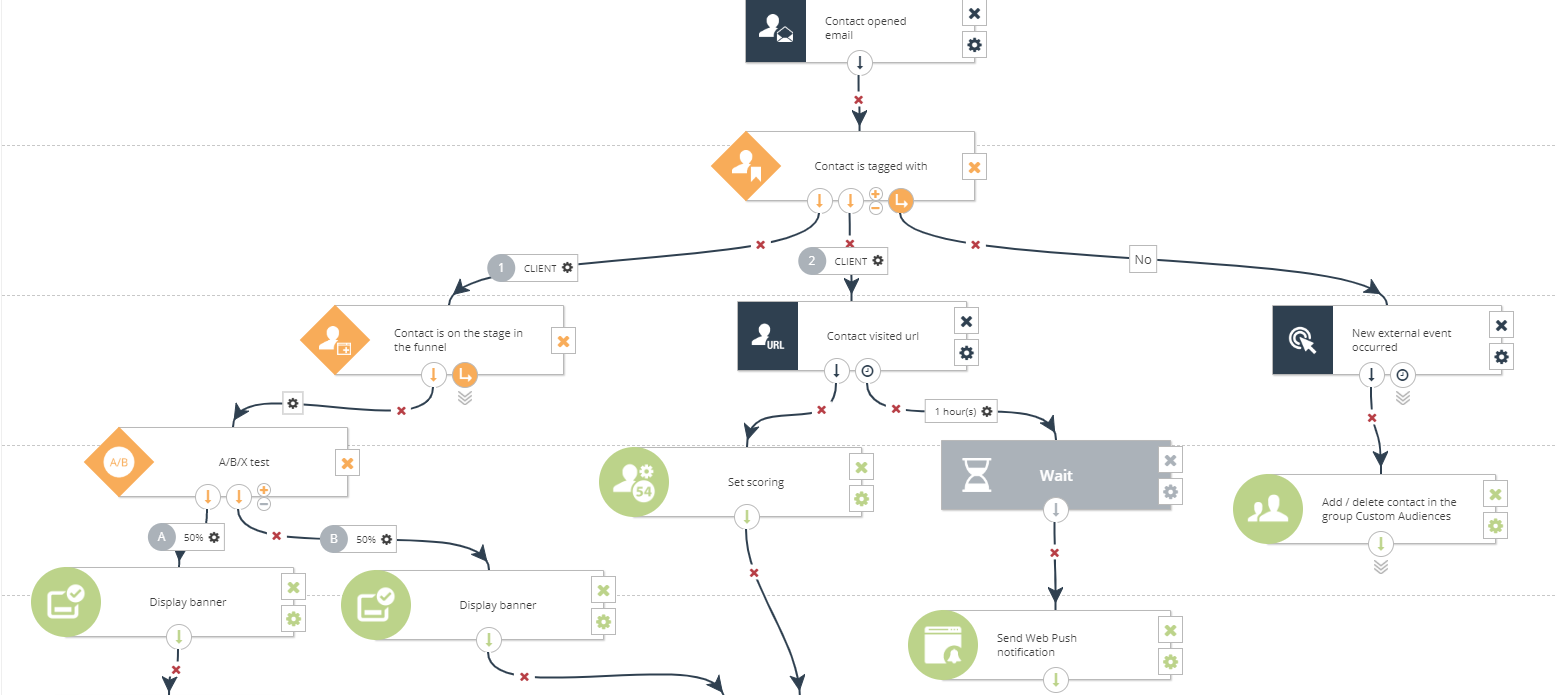
Consumer behavior in 2026 is driven by speed, personalization, and relevance. Customers expect brands to understand them instantly—and AI makes that possible.

Key Reasons AI Is Critical in 2026

  1. Explosion of Data
    Every click, scroll, and interaction generates data. AI helps analyze and extract insights from massive datasets that humans simply can’t manage alone.

  2. Rising Customer Expectations
    Generic messaging no longer works. AI enables hyper-personalized marketing experiences that build trust and loyalty.

  3. Increased Competition Online
    With more brands going digital, AI provides a performance edge through smarter targeting and optimization.

  4. Cost Efficiency
    Automation reduces manual labor and improves ROI by minimizing wasted ad spend.


AI in SEO: Smarter Rankings, Better Visibility

Search engine optimization has evolved dramatically. In 2026, SEO is no longer about keywords alone—it’s about search intent, behavior, and experience.

How AI Enhances SEO

  • Advanced Keyword Research: AI identifies intent-based and long-tail keywords

  • Content Optimization: Predicts what content formats rank best

  • Voice Search Optimization: Helps brands rank for conversational queries

  • Technical SEO Audits: Detects crawl issues and optimization gaps

A professional digital marketing agency uses AI-powered SEO tools to create content that ranks, converts, and stays relevant despite algorithm changes.

👉 Internal Link Suggestion: Learn more on our SEO Services page.


AI-Driven Content Marketing: Personalization at Scale
 
 
https://curata.com/blog/wp-content/uploads/2015/08/Content-Marketing-Pyramid1.png
 

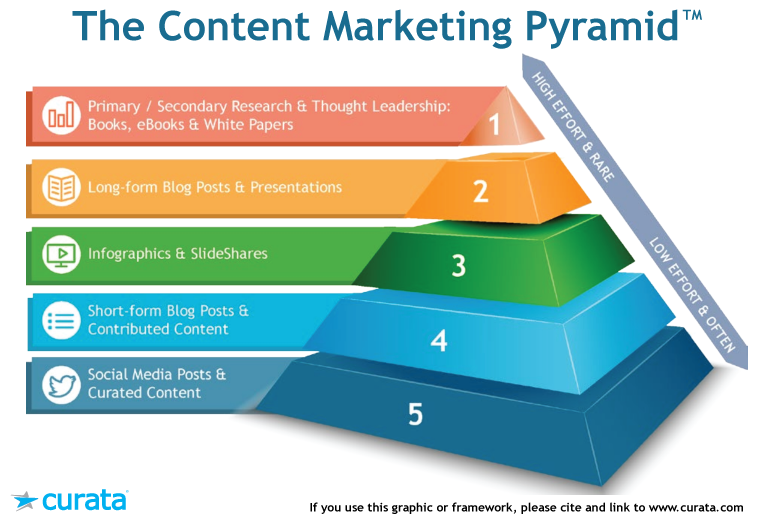
Content remains king—but in 2026, context is queen. AI helps brands create content that matches the exact needs of each audience segment.

Benefits of AI in Content Marketing

  • Topic recommendations based on trending data

  • Automated content outlines and optimization

  • Personalized email and website content

  • Performance prediction before publishing

AI Helps Content Marketers:

  • Reduce content creation time

  • Improve engagement rates

  • Increase conversion probability

Instead of guessing what your audience wants, AI tells you—backed by data.

👉 Internal Link Suggestion: Explore our Content Marketing Services.


AI in Paid Advertising: Smarter Ads, Higher ROI

Paid advertising has become more complex and competitive. AI helps businesses manage campaigns across platforms while optimizing performance in real time.

How AI Transforms Paid Marketing

  • Smart audience targeting and segmentation

  • Automated bidding for better CPC

  • Real-time ad performance optimization

  • Creative testing and variation selection

Key Advantages

  • Reduced ad spend wastage

  • Higher click-through rates

  • Improved conversion tracking

With AI-powered advertising strategies, brands get maximum ROI with minimal guesswork.

👉 Internal Link Suggestion: See how we manage PPC Advertising Campaigns.


AI & Social Media Marketing: Real-Time Engagement
 
https://images.klipfolio.com/website/public/ec8a48b1-aac0-4d65-af27-a0c51452b333/social-media-performance-dashboard_1.png


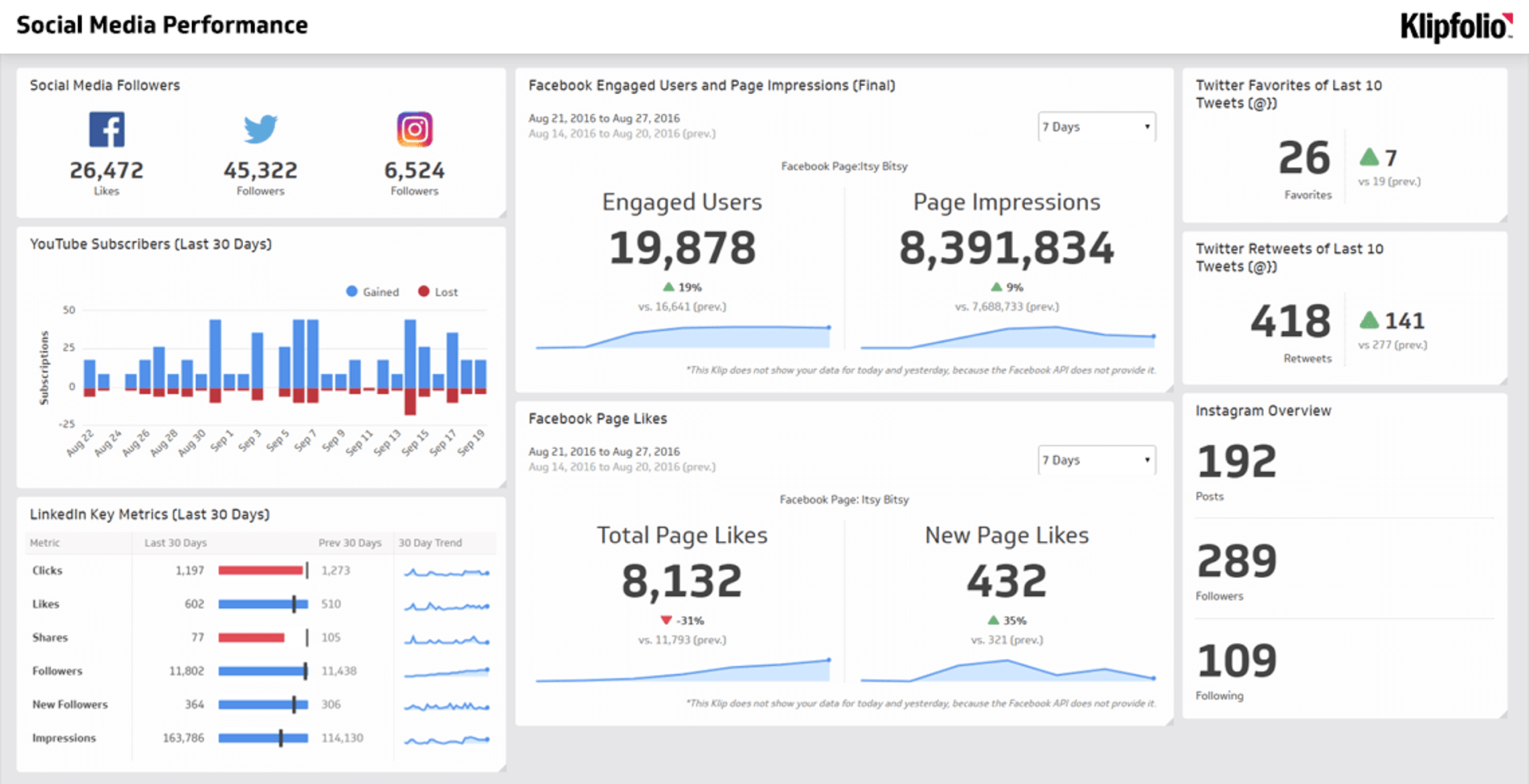
Social media in 2026 is fast-paced, algorithm-driven, and engagement-focused. AI helps brands stay ahead by analyzing trends, sentiment, and performance instantly.

AI Use Cases in Social Media Marketing

  • Best posting time predictions

  • Hashtag and trend analysis

  • Automated content scheduling

  • Sentiment analysis for brand reputation

AI ensures your brand stays visible, relevant, and engaging across platforms without manual monitoring 24/7.


AI-Powered Email Marketing: Precision Communication

Email marketing continues to deliver one of the highest ROIs in digital marketing—especially when powered by AI.

AI Improves Email Marketing By:

  • Predicting open and click behavior

  • Personalizing subject lines and content

  • Optimizing send times automatically

  • Segmenting users dynamically

Instead of sending one message to thousands, AI enables one-to-one communication at scale.


Chatbots & Conversational AI: 24/7 Customer Engagement


Modern consumers expect instant responses. AI-powered chatbots handle customer queries, lead generation, and support—anytime, anywhere.

Benefits of AI Chatbots

  • Instant customer responses

  • Reduced support costs

  • Lead qualification automation

  • Improved user experience

Chatbots are no longer robotic—they’re conversational, intelligent, and conversion-focused.


Predictive Analytics: Marketing That Thinks Ahead

One of AI’s biggest strengths is prediction. Predictive analytics helps marketers anticipate customer behavior and optimize strategies before problems occur.

Predictive Analytics Helps With:

  • Forecasting sales trends

  • Identifying high-value customers

  • Reducing churn

  • Planning future campaigns

This allows businesses to make data-driven decisions instead of assumptions.


Challenges of AI in Digital Marketing

While AI offers immense benefits, it also comes with challenges businesses must address.

Common Challenges

  • Data privacy and compliance

  • Over-automation risks

  • Initial setup costs

  • Dependence on quality data

A trusted digital marketing agency ensures ethical AI usage, data security, and balanced automation.


How a Digital Marketing Agency Helps You Leverage AI

Implementing AI effectively requires expertise, tools, and strategic planning. A professional agency bridges the gap between technology and business goals.

What an Agency Provides

  • AI-driven strategy development

  • Tool selection and integration

  • Continuous performance optimization

  • Human creativity + machine intelligence

This combination ensures sustainable, scalable growth.

👉 Internal Link Suggestion: Learn more about our Digital Marketing Strategy Services.


Future of AI-Powered Digital Marketing


https://newlightdigital.com/wp-content/uploads/2025/07/the-future-of-ai-in-digital-marketing.webp
 

Looking ahead, AI will become more:

  • Emotion-aware

  • Voice-driven

  • Experience-focused

  • Predictive rather than reactive

Brands that adopt AI early will dominate visibility, engagement, and conversions in the digital ecosystem.


Conclusion: Are You Ready for AI-Driven Growth?

AI-powered digital marketing is no longer a trend—it’s the foundation of modern marketing success. From SEO and content to ads and automation, AI enables businesses to deliver smarter, faster, and more personalized experiences.

Partnering with the right digital marketing agency ensures you harness AI ethically, strategically, and profitably. The future belongs to brands that combine human creativity with artificial intelligence.


First, Understand How Google Actually Ranks Websites

Google doesn’t “read” your website like a human.

It evaluates your website based on:

  • Structure
  • Relevance
  • Authority
  • Behaviour signals
  • Consistency over time

Most websites fail because they focus on surface-level SEO, while Google ranks based on systems.

If your site lacks any of the core pillars below, Google will not trust it enough to rank.

Reason 1: Your Website Has No Clear Topical Authority

One of the biggest SEO mistakes businesses make is treating content as random.

They publish:

  • A blog here

  • A service page there

  • A location page when needed

Google doesn’t reward randomness.
It rewards topical authority.

What Topical Authority Means

Topical authority means Google sees your website as a trusted source on a specific subject.

If your website talks about:

  • SEO today

  • Social media tomorrow

  • Ads next week

  • AI chatbots once a month

…without depth or internal structure, Google doesn’t know what you specialise in.

Why This Stops You Ranking

Google wants to rank experts, not generalists.

If your competitors have:

  • Structured service pages

  • Supporting blogs

  • Internal links connecting topics

…and your website doesn’t, they will outrank you—even with fewer backlinks.

A digital marketing agency Dubai builds content in clusters, not isolated posts.

Reason 2: Your Website Targets Keywords, Not Search Intent

Most businesses choose keywords based on volume.

That’s a mistake.

Google ranks pages based on search intent, not keyword repetition.

Common Intent Mismatch Examples

  • Writing informational content for a transactional keyword

  • Selling on a keyword where users want education

  • Creating a service page when Google prefers blogs

If your page intent doesn’t match what users expect, Google will not rank it—no matter how well written it is.

Why Intent Matters More Than Keywords

Google tracks:

  • Bounce rate

  • Time on page

  • Click behaviour

If users don’t find what they expect, they leave. Google notices.

SEO isn’t about inserting keywords—it’s about solving the exact problem the user searched for.

Reason 3: Your Website Structure Confuses Google

Most websites are built for humans, not search engines.

Google needs:

  • Clear hierarchy

  • Logical page flow

  • Internal linking signals

Structural Problems That Kill Rankings

  • No clear service hierarchy

  • Pages competing with each other

  • Duplicate content across locations

  • Blog posts with no internal links

  • Orphan pages Google can’t reach

If Google can’t understand how your pages relate to each other, it won’t trust your website.

This is why SEO fixes done “page by page” often fail.

A digital marketing agency in Dubai looks at your website as an ecosystem—not individual URLs.

Reason 4: Your Content Is Thin, Generic, or Replaceable

Google doesn’t rank content just because it exists.

It ranks content that is:

  • Helpful

  • Unique

  • Comprehensive

  • Contextual

What Thin Content Looks Like

  • 500-word blogs saying nothing new

  • Service pages with marketing fluff

  • Content written for SEO tools, not humans

  • AI-generated text with no depth

If your content can be replaced by 100 other websites, Google has no reason to rank it.

What Google Actually Rewards

  • Clear explanations

  • Real insights

  • Depth over volume

  • Structured information

This is why long-form, educational content consistently outperforms short posts.

Reason 5: Your Website Has No Authority Signals

Authority isn’t just backlinks.

Google evaluates trust using:

  • Backlink quality

  • Brand mentions

  • Content consistency

  • Engagement signals

  • Website history

Why Backlinks Alone Aren’t Enough

Buying backlinks or chasing directories without context does more harm than good.

Google looks for natural authority growth, not artificial spikes.

If your website:

  • Publishes sporadically

  • Has no brand signals

  • Has inconsistent messaging

…Google doesn’t trust it long-term.

Authority is built by showing up consistently, not shortcuts.

Reason 6: You’re Ignoring Technical SEO (Without Realising It)

Most websites fail SEO silently.

No errors.
No warnings.
Just no rankings.

Common Technical Issues

  • Poor mobile performance

  • Slow Core Web Vitals

  • JavaScript blocking content

  • Indexing issues

  • Incorrect canonical tags

  • Crawl budget waste

Google doesn’t penalise you—it just quietly ignores your pages.

This is why many businesses believe SEO “doesn’t work”.

In reality, the site was never eligible to rank.

Reason 7: Your Website Has No Internal Linking Strategy

Internal links are one of the strongest ranking signals—and the most ignored.

Google uses internal links to:

  • Discover pages

  • Understand importance

  • Pass authority

What Most Websites Do Wrong

  • Blog posts with zero links

  • Service pages isolated from content

  • Homepage not distributing authority

  • Random anchor text

Without internal linking, even good content struggles to rank.

SEO isn’t about publishing more—it’s about connecting what already exists.

Reason 8: Your Website Isn’t Updated or Maintained Consistently

Google favours active websites.

Not flashy.
Not viral.
Just consistent.

What Consistency Signals to Google

  • The business is active

  • Information is current

  • The website is reliable

Websites that stop publishing, updating, or optimising slowly lose rankings—even if they ranked before.

This is why SEO is not a one-time task.

A digital marketing agency Dubai treats SEO as a system, not a campaign.

Reason 9: You’re Competing Without a Strategy

Many businesses compare themselves to competitors without understanding why competitors rank.

Ranking isn’t luck.
It’s architecture.

Competitors often have:

  • Better content depth

  • Clearer topical authority

  • Stronger internal linking

  • Consistent publishing schedules

Trying to “outwrite” them with one page won’t work.

SEO wins come from out-structuring, not out-spamming.

Reason 10: Your Website Was Built Without SEO From Day One

This is the most expensive mistake.

Websites built without SEO foundations require:

  • Structural rebuilds

  • Content rewrites

  • URL changes

  • Authority rebuilding

Which is why businesses often say:
“SEO takes too long.”

In reality, SEO is slow only when it’s added later.

Final Thought: Google Isn’t Blocking You—Your Structure Is

If your website isn’t ranking, Google isn’t against you.

It simply doesn’t understand:

  • What you specialise in

  • Who you help

  • Why you should be trusted

Fix that, and rankings follow.

2.7k Positive Reviews
0 %
Improved Project
0 %
New Project

Why your site isn’t ranking (and how to fix it)

Get clarity on what’s holding your website back — structure, content, or authority.

FAQs – Website Ranking on Google

Why isn’t my website ranking on Google?
Usually due to structural, content, or authority issues—not because SEO is broken.
How long does SEO take to work?
Proper SEO typically shows momentum within 3–6 months when executed correctly.
Can backlinks alone rank my site?
No. Without strong content and proper site structure, backlinks alone won’t help.
Does Google penalise new websites?
No, but new websites need time to earn trust and authority.
Is content length important?
Depth and usefulness matter far more than word count.
Can AI content rank on Google?
Yes—but only if it’s edited, well-structured, and genuinely helpful to users.
Why does my competitor rank with less content?
Because their website structure, relevance, and authority are stronger.
Do I need blogs to rank?
Yes—blogs help build topical authority and support long-term SEO growth.
How important is internal linking?
Extremely important. It’s often the missing link in underperforming websites.
Should I update old content?
Yes. Updating existing content often improves rankings faster than creating new pages.
Does website speed affect rankings?
Yes—especially on mobile devices where speed is a critical ranking factor.
Are keywords still important?
Yes, but search intent and relevance matter more than exact keyword matching.
Can SEO work without paid ads?
Yes, though paid ads can accelerate data collection and market insights.
Should I target many keywords at once?
No. Focus on keyword clusters and topics, not long keyword lists.
Why do rankings drop suddenly?
Drops usually occur due to competition changes, technical issues, or content decay.
Is SEO a one-time setup?
No. SEO is an ongoing process that requires continuous optimisation.
Can I do SEO myself?
You can, but experience, strategy, and execution quality make a major difference.
Does location matter for SEO?
Yes—especially for local, regional, and service-based businesses.
How do I know what’s wrong with my site?
You need a full SEO audit—not just an automated tool scan.
When should I hire an agency?
When organic traffic directly impacts your leads, sales, or revenue.

Book Your Consultation

1